


A Beginner's Guide to Onsen: Soaking the Japanese Way
You've seen the photos. Steam rising from outdoor rock pools. Snow falling gently. People looking deeply, blissfully relaxed.
That's an onsen. And it's not just a bath.
The water that bubbles up from volcanic ground here is fundamentally different from anything you've experienced at home. It's naturally hot, mineral-rich, and believed to have healing properties. People have been soaking in these waters for over a thousand years.
If you've never been to an onsen before, the idea can feel intimidating. Nudity. Complex rules. Unfamiliar customs. But here's the truth: it's simpler than it looks. And once you try it, you'll wonder why every country doesn't have them.

In most parts of the world, a bath is a bath. You turn on the tap. Hot water comes out. You soak. That's it.
Japan does not think about bathing the same way.
Tap water is treated, chlorinated, and functionally identical everywhere. Onsen water comes directly from volcanic springs. It's filtered through layers of rock and heated by the earth itself. The mineral content varies by source—some onsens are known for soft, silky water, others for water that leaves your skin feeling remarkably smooth.
This isn't just bathing. It's geology. It's tradition. It's a completely different experience.
A Very Brief History
Onsen culture in Japan dates back at least a thousand years. Samurai soaked in hot springs to heal battle wounds. Monks used them for purification rituals. Regular people traveled long distances just to spend a few days resting beside a hot spring.
The word "onsen" itself literally means "hot spring." The water must come from underground, naturally heated, and meet specific mineral content standards. If a facility doesn't have that, it's not an onsen - it's something else.
Onsen vs. Sento: What's the Difference?
This is a common point of confusion.
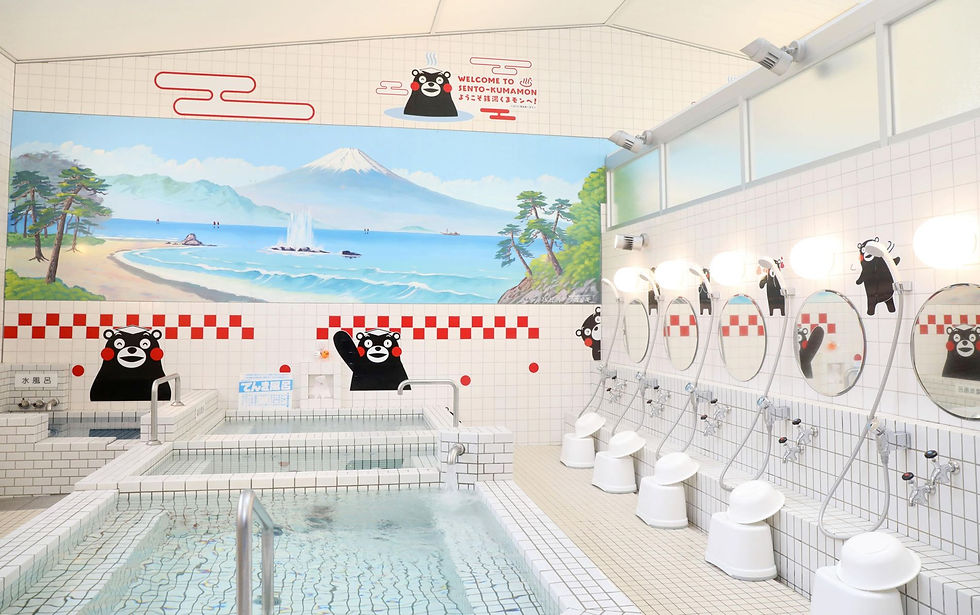
Onsen uses natural hot spring water. The water comes from the ground, rich with dissolved minerals. You can find onsen in rural areas, mountain towns, and volcanic regions - places like Yamanashi, Hakone, and Beppu.
Sento is a public bathhouse that uses heated tap water. Sento became popular in cities where people didn't have private baths at home. They're cultural institutions in their own right, but the water is just regular water.
If you want the real experience - minerals, skin benefits, volcanic origins - look for onsen.
How to Use an Onsen: A Simple Guide
The process is straightforward. Here's what to expect.
Step 1: Remove your shoes at the entrance. Indoor slippers may be provided.
Step 2: Pay the fee. Most onsen charge ¥500–¥1,500. Bring your own towel or rent one.
Step 3: Enter the correct changing room (men/women). Remove all clothing. Place everything in a basket or locker.
Step 4: Enter the bathing area. Find an empty station with a stool and shower hose.
Step 5: Wash thoroughly before getting in. Soap, rinse, scrub. No exceptions. The bath is for soaking, not cleaning.
Step 6: Enter the bath slowly. The water is hot—often 40–42°C (104–108°F). If it's too much, try a cooler bath first.
Step 7: Soak. Relax. Don't splash. Don't stare. Don't bring your towel into the water (rest it on your head or beside the bath).
Step 8: When you're done, rinse off quickly. Dry yourself in the changing area before returning to the main room.

What Not to Do
A few things to avoid:
• Don't enter with a swimsuit. Onsen are nude spaces. This is non-negotiable.
• Don't soak without washing first. It's unhygienic and rude.
• Don't run, splash, or make loud noise. Onsen are for quiet relaxation.
• Don't bring your phone or camera. Ever.
• Don't put your hair in the water. Tie it up or use a small towel.
• Don't enter if you have large tattoos. Some onsen allow them now, but many still prohibit visible tattoos. Check in advance.
• Don't stay too long. Ten to fifteen minutes is plenty. Take breaks. Hydrate.
A Fun Fact About Fuji Murals
Here's something you might notice as you travel Japan.
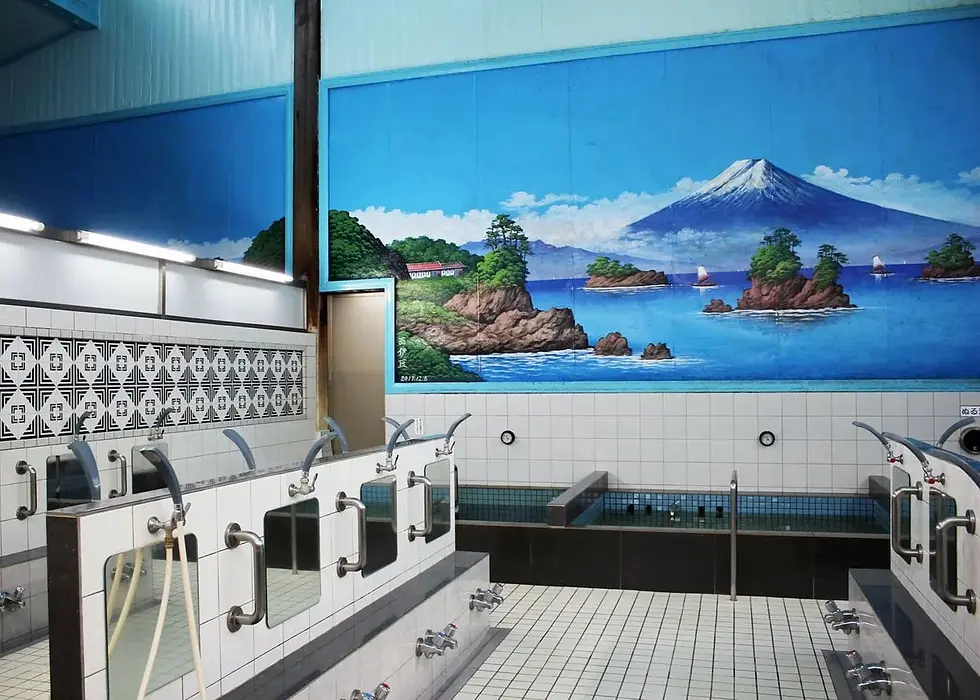
In sento and onsen across the country, it's common to see a painted mural of Mount Fuji on the bathroom wall. The tradition goes back decades - a way to bring Japan's most sacred mountain into the bathing space.
But here in Yamanashi? We don't have those murals.
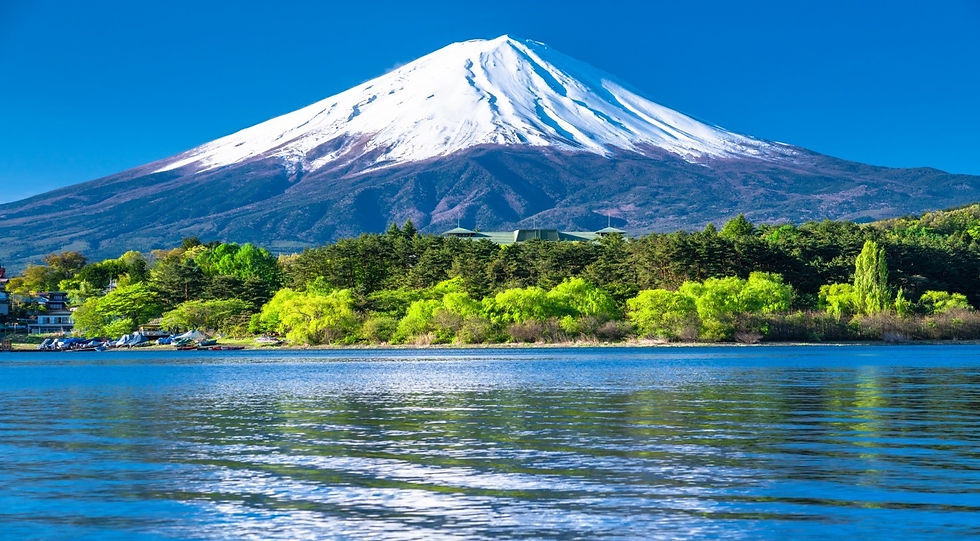
Why would we? We have the real mountain. Walk outside after your bath. Look up. There it is.
After the Onsen
The experience doesn't end when you dry off.
Many onsen offer cold water dispensers - drink it. You've lost fluids through sweating. Some have relaxation rooms with tatami mats, reclining chairs, or even nap spaces. Others sell bottled milk, coffee milk, or local beer. A cold drink after a hot bath is one of life's simple pleasures.
Your skin will feel different. Softer. Smoother. That's the minerals. You might also feel deeply, pleasantly tired. That's normal. Sleep well tonight.
Practical Tips
• Bring a small towel (can be purchased at any onsen if you forget)
• Leave jewelry at your accommodation (heat can damage some metals)
• Stay hydrated before and after
• Skip the onsen if you've been drinking alcohol or have a fever
• Check tattoo policies before visiting
Not every tour includes an onsen stop, but we're happy to recommend our favorites. Ask us. We'll point you toward a quiet, welcoming place where you can try this uniquely Japanese experience for yourself.
And when you step outside afterward, look south. The real Fuji is waiting.
Soak well. Rest well.
- The Kawaguchiko Tours Team


Comments