


Is Mount Fuji Visible in Summer? A Month-by-Month Visibility Guide
You've probably read this online: Mount Fuji is only visible about 80 days per year.
Here's the truth: that statistic is measuring visibility from Tokyo. Not from here.
From downtown Tokyo, looking across 100 kilometers of hazy air, Fuji is indeed shy. But from Kawaguchiko, Fujiyoshida, and the Fuji Five Lakes area? We see the mountain far more often. In some months, it's visible nearly every morning.
So let's clear up the confusion. Here's your honest, month-by-month guide to seeing Mount Fuji.
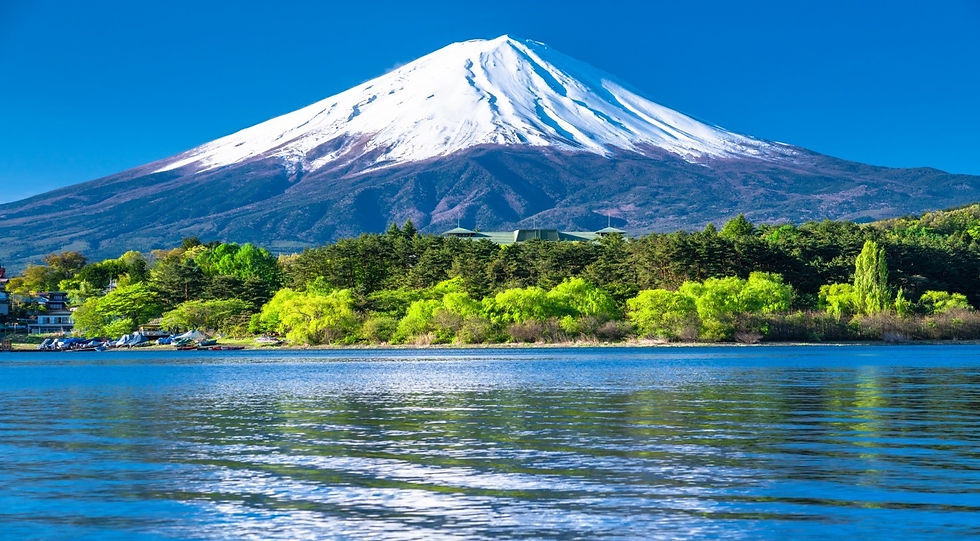
You're planning a summer trip to Japan. You've dreamed of seeing Mount Fuji. Then you read somewhere that summer is cloudy, humid, and the mountain hides for weeks at a time.
Panic sets in. Should you change your dates? Cancel the Fuji leg of your trip?
Stop worrying. Summer visibility is more complicated - and more hopeful - than the internet suggests. The key is understanding when to look.
First, Let's Debunk That 80-Day Myth
That statistic comes from visibility measurements taken in central Tokyo. The city's heat, humidity, and air pollution create a persistent haze that blurs distant views. From Shinjuku, Fuji is a treat when it appears.
From Kawaguchiko Station? We're 40 kilometers from the peak. The air is cleaner. The distance is shorter. And the mountain reveals itself far more often.
In autumn and winter, visibility from our area approaches 90% or higher. Even in summer, early mornings are reliably clear more often than not.
So no, Fuji isn't hidden most of the year. Not from here.
Summer (June-August): Early Bird Gets the Peak
Summer is the most misunderstood season for Fuji viewing.
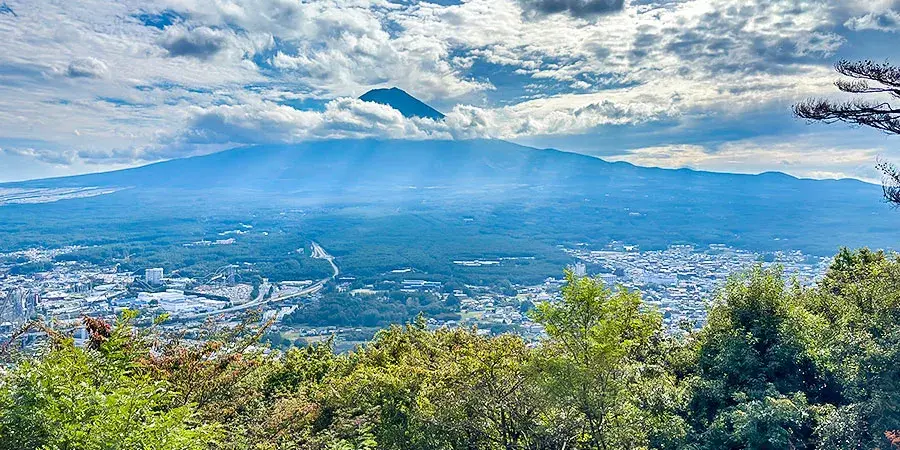
The reality: Mornings are often clear. By midday, clouds build. By afternoon, the peak is usually hidden.
The strategy: Be outside before 8:00 AM. That's it. That's the hack.
On a typical July morning, we can see the mountain perfectly from sunrise until around 9:00 or 10:00 AM. Then cumulus clouds form over the peak. By noon, Fuji has pulled its hood up. By late afternoon, you might not know it's there.
Visibility estimate from Kawaguchiko: 60–70% of mornings. Afternoon visibility drops below 30%.
June: Start of rainy season (tsuyu). More cloudy days overall, but clear mornings still happen frequently.
July: Peak summer. Hot, humid, but mornings remain the best bet. Fireworks festivals in late July often have Fuji as a backdrop if the timing works.
August: Similar to July. The Obon holiday week (mid-August) brings crowds but not necessarily worse visibility.
Autumn (September–November): The Golden Window
This is our favorite season for reliable viewing.
As temperatures drop, humidity falls. The air becomes crisp and transparent. September still has some summer patterns (cloudy afternoons), but October and November are spectacular.
Visibility estimate from Kawaguchiko: 80–90% across the season. November approaches 90%+.
September: Typhoon season. Between storms, the air is often exceptionally clear.
October: Reliable, beautiful, comfortable temperatures. The first snow dusting usually appears late October.
November: Peak conditions. Clear skies, snow-capped peak, autumn colors below.
Winter (December–February): Cold and Clear
Winter offers the most consistent visibility of any season.
Cold air holds less moisture. Less moisture means fewer clouds. On many winter days, Fuji is visible from sunrise to sunset without interruption.
Visibility estimate from Kawaguchiko: 85–95% on non-storm days.
December: Dry, crisp, stunning. The mountain is fully snow-capped.
January: The clearest month of the year. Also the coldest. Dress warmly.
February: Still excellent. Days are getting longer.
Drawback: Some roads and viewpoints close due to snow. Winter driving requires caution. Our tours adjust accordingly.
Spring (March–May): Cherry Blossoms and Unpredictable Skies
Spring is a mixed bag.
March can be clear but cold. April brings cherry blossoms—and spring weather patterns that shift rapidly. May becomes more reliable as summer approaches.
Visibility estimate from Kawaguchiko: 60–75%, highly variable by week.
March: Still winter-like conditions. Good visibility, but the mountain may still have heavy snow.
April: Cherry blossom season is beautiful but crowded. Visibility is decent but not guaranteed.
May: Improving. Golden Week (early May) is busy. Late May offers better odds.

Month-by-Month Quick Reference
Month Morning Visibility Afternoon Visibility Notes
January ★★★★★ ★★★★★ Clearest month
February ★★★★★ ★★★★☆ Still excellent
March ★★★★☆ ★★★☆☆ Winter fading
April ★★★☆☆ ★★☆☆☆ Cherry blossoms, variable
May ★★★★☆ ★★★☆☆ Improving
June ★★★☆☆ ★★☆☆☆ Rainy season begins
July ★★★★☆ ★★☆☆☆ Mornings are key
August ★★★★☆ ★★☆☆☆ Same as July
September ★★★★☆ ★★★☆☆ Typhoons between storms
October ★★★★★ ★★★★☆ Excellent
November ★★★★★ ★★★★★ Peak autumn clarity
December ★★★★★ ★★★★★ Cold and clear
Practical Tips for Summer Visitors
If you're visiting June–August, here's how to maximize your chances.
• Book morning tours. We start early for a reason.
• Don't sleep in. The mountain shows itself before 9:00 AM.
• Have backup plans. Cloudy afternoons are perfect for lava caves, shrines, and museums.
• Stay overnight. A single overnight gives you two mornings. Doubles your odds.
• Watch the live cam. Check Kawaguchiko's live webcam before committing to a long drive.

We can't control the weather. No one can.
But we can read the sky, start early, and adapt our route in real time. If the mountain hides, we know exactly where to go - the caves, the falls, the forests that don't need clear skies to be beautiful.
Book with us. We'll give you the best possible chance to see Fuji. And if the clouds roll in, we'll show you everything else.
See you in the morning - when the mountain is awake.
- The Kawaguchiko Tours Team


Comments