


The "Cloudy Day" Strategy: How to Experience the Magic of Fuji When the Peak is Hidden
You wake up. Open the curtains. And your heart sinks.
Clouds. Thick, low, unbroken clouds where Mount Fuji should be.
If you're on a rigid bus tour or following a self-planned itinerary, that feeling might ruin your whole day. But here's something we've learned after hundreds of tours: some of our most memorable days started exactly like this.
The mountain hides. And something else emerges.

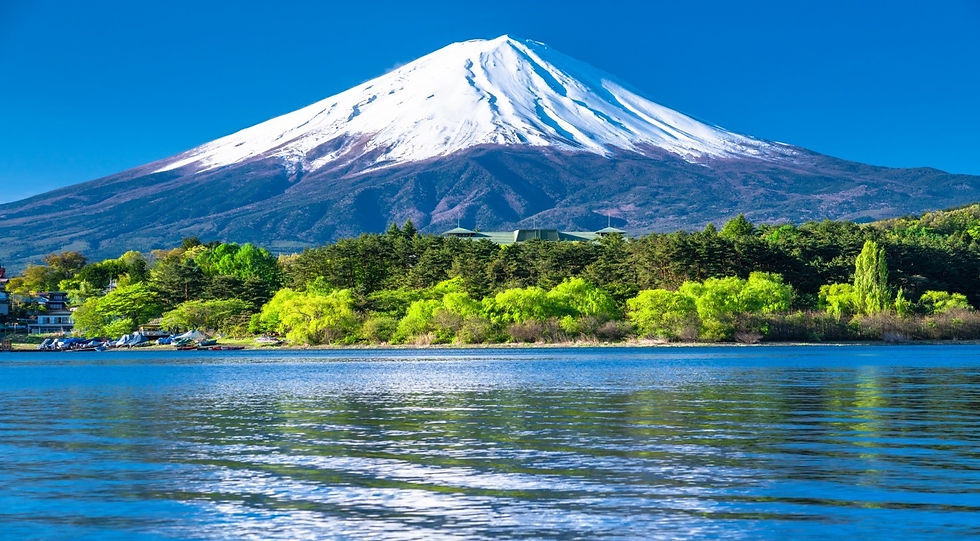
Let's be honest. You came to see Fuji. The postcard version. The snow-capped peak rising against a perfect blue sky.
When the forecast says clouds or rain, the first thought is almost always panic. Did we come all this way for nothing? Should we just stay at the hotel?
We understand that feeling completely. We've watched guests arrive looking defeated before the tour even starts.
But here's what they don't know yet: Fuji doesn't disappear on cloudy days. It just asks you to look somewhere else.
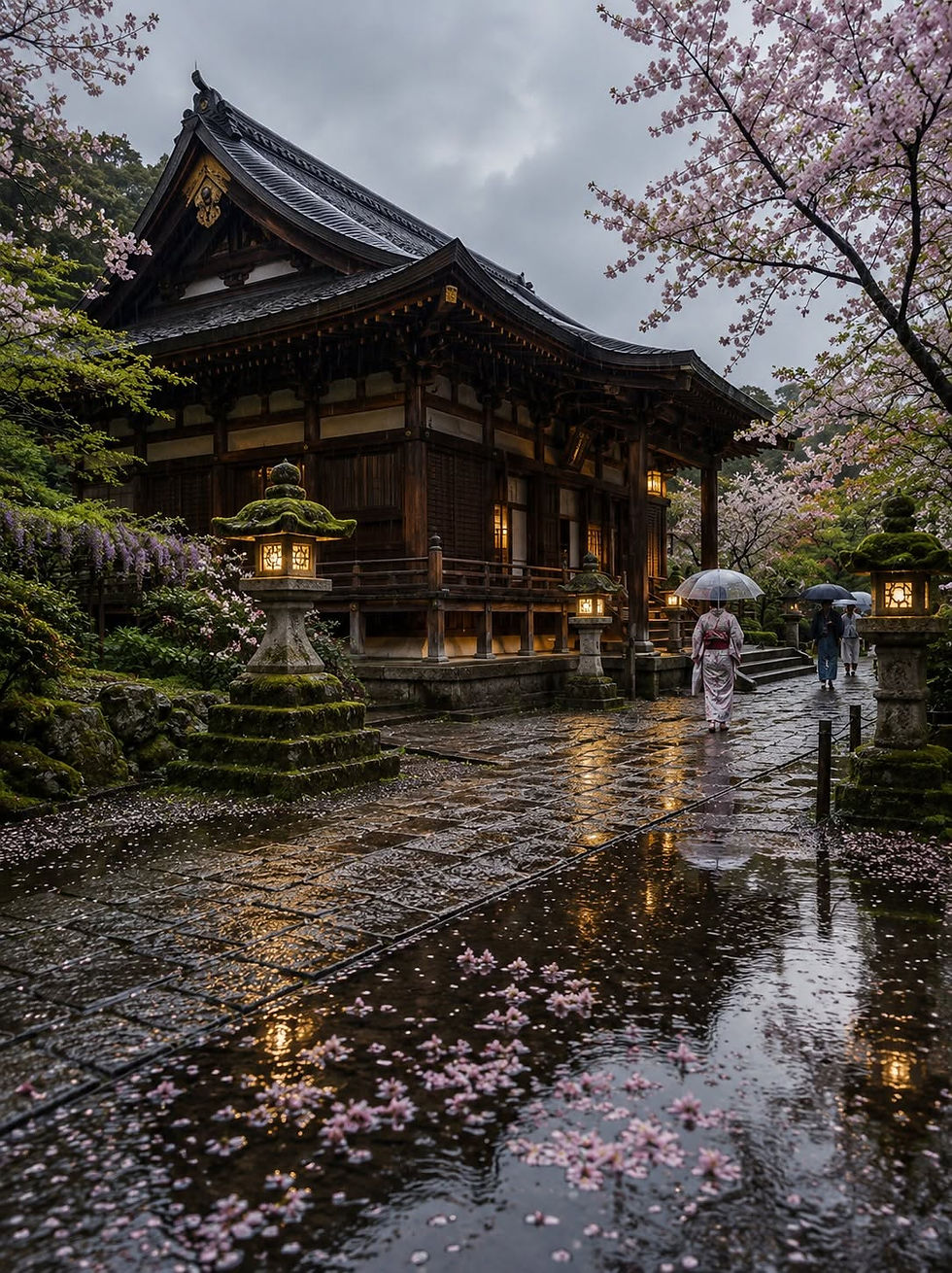
The Mist Lifts the Crowds
Here's a simple truth we've confirmed on dozens of tours.
On clear days, every viewpoint is packed. Tour buses line the roads. You wait for photos. You share every bench. The experience feels rushed and crowded.
On cloudy days? The crowds evaporate.
People cancel. Tour groups change plans. The parking lots that were full at 7:00 AM on a sunny morning sit half-empty. Suddenly, the most popular spots in Yamanashi feel like they belong to you alone.
That's not a consolation prize. That's a genuine upgrade to the experience.
Sengen Shrines: Moss, Mist, and Mystery
Fuji Sengen Jinja was never meant to be seen in harsh sunlight.
This 1,200-year-old shrine honors the mountain's deity. The approach is lined with enormous cedar trees, their trunks wrapped in thick green moss that glows after rain. Stone lanterns wear crowns of lichen. The air smells like wet earth and ancient wood.
On a misty day, the shrine feels alive in a way it never does under bright sun. The boundary between the physical and spiritual world blurs. You understand, without being told, why people have worshipped here for twelve centuries.
The main hall frames where Fuji should be. But when the mountain hides behind cloud, the shrine seems to hold its place. Waiting.
Lava Caves: A World Below the Weather
Here's a secret most travelers don't know: the weather above ground doesn't matter once you step into the lava caves.
The Narusawa Ice Cave and Fugaku Wind Cave sit beneath Aokigahara forest. Temperatures inside hover near freezing year-round. Ice formations that formed centuries ago never fully melt. And crucially—there's no view of the sky at all.
On a rainy or cloudy day, these caves become perfect sanctuaries. You descend into the volcanic tube. Your breath fogs. The only light comes from the path lamps. The world above—the clouds, the rain, the disappointment—simply disappears.
When you emerge an hour later, the weather often hasn't changed. But you have. You've spent time inside the mountain itself.
Haha no Shirataki: Water in Its Element
Haha no Shirataki - "Mother White Falls" - is beautiful on any day. But on a cloudy or rainy day, it becomes itself.
The falls are fed by rainwater and snowmelt. After a good rain, the flow is stronger. The sound fills the small forest clearing. The rocks around the base gleam black and wet. The small shrine at the water's edge looks exactly as it should: tucked into a damp, green, ancient corner of the world.
You don't need Mount Fuji in the frame here. You have water falling over stone. You have silence punctuated by splash. You have a moment that feels like it belongs to a different century.
Aokigahara: The Forest's True Face
We've written about Aokigahara before. But on a misty day, this lava forest is unmatched.
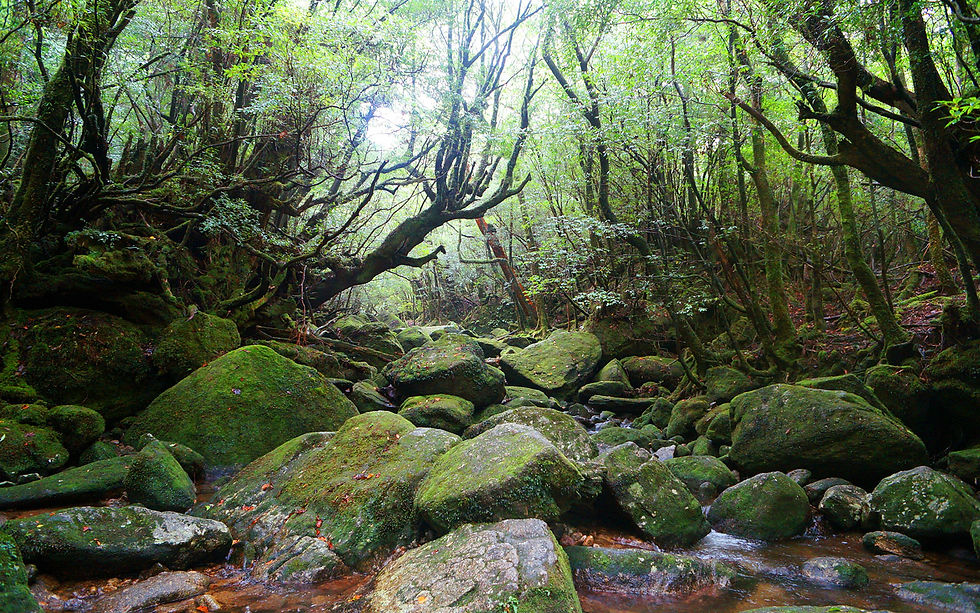
The dense canopy filters what little light exists into soft green shadows. Moss on the volcanic rock drinks in the moisture and turns jewel-bright. The porous ground absorbs sound so completely that your own footsteps feel muffled.
This is the forest that inspired legends. Not the sunny, tourist-friendly version - the deep, quiet, ancient one. On a cloudy day, you don't just see Aokigahara. You feel it.
This is where real-time, weather-adaptive routing makes all the difference.
We don't have a fixed route that we follow blindly. We check the forecast, watch the sky, and make calls on the ground. If the clouds are low, we head for the caves. If the mist is thick, we walk the shrine. If the rain is light, we find the falls.
Our guests don't follow a script. They follow someone who knows this landscape in every condition.
We can't control the weather. But we can control where we go, when we go, and how we frame the experience. That flexibility turns a potential disaster into a highlight of the trip.
Practical Tips for Cloudy Days
• Bring a light rain jacket - mist turns to drizzle without warning
• Waterproof shoes help - paths near caves and falls can be damp
• Embrace the mood - cloudy light is actually better for photographing moss, forest interiors, and waterfalls
• Trust the process - we've done this hundreds of times. The magic is still here. It just looks different.
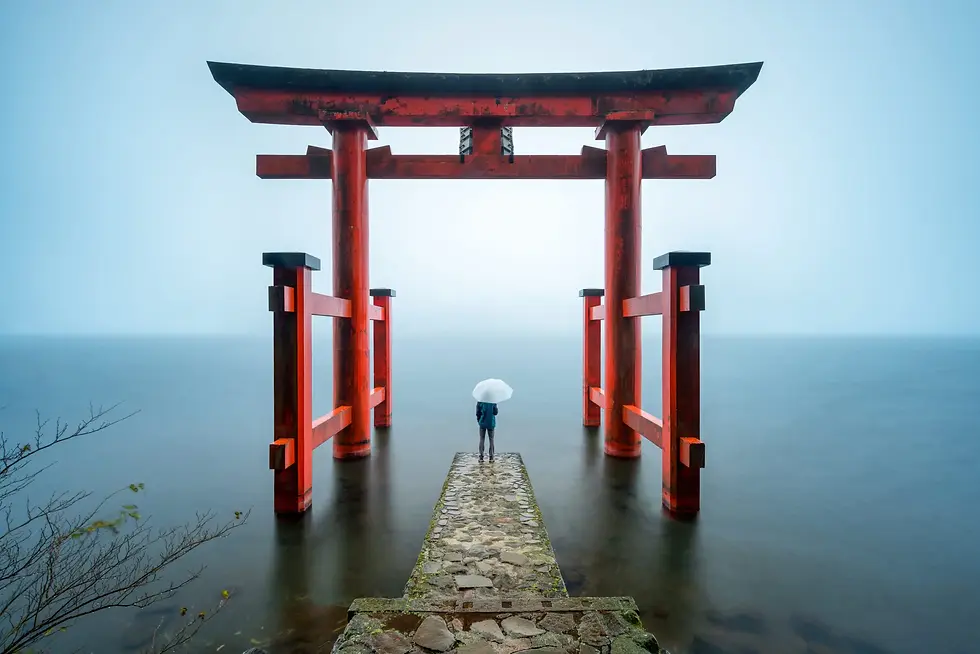
If the forecast has you nervous, don't cancel. Don't hide at the hotel.
Come with us. We'll read the weather, adapt the route, and show you a side of Yamanashi that most visitors never see - because they gave up the moment the clouds rolled in.
The mountain will still be there when it's ready. Until then, let us show you everything else.
Let the cloudy days become clear memories.
- The Kawaguchiko Tours Team


Comments