


When to Visit the Fuji Five Lakes: A Guide to Japanese Holidays to Avoid
You've booked your dream trip to Japan. You've picked the perfect hotel near Lake Kawaguchiko. You're imagining quiet mornings with Mount Fuji reflected on still water.
Then you arrive, and the lake shore is packed. Every restaurant has a queue. The parking lots are full by 9am. The trains are standing-room only.
Nothing went wrong. You just accidentally visited during a Japanese holiday period.
This happens more than you'd think. Most international travelers know about cherry blossom season. Very few know about Golden Week, Obon, or Silver Week. These are the times when domestic tourism explodes, and the Fuji Five Lakes area - being one of Japan's most beloved domestic destinations - feels the full force of it.
Here's what you need to know to plan around it.

Japan has one of the most generous public holiday systems in the world. When a national holiday falls on a Sunday, the following Monday becomes a substitute holiday. When two holidays fall on either side of a single day, that day becomes a holiday too.
The result? Several periods each year when the entire country seems to travel at once.
Hotels fill up months in advance. Train seats sell out. Road traffic backs up for hours. And the Fuji Five Lakes - just two hours from Tokyo and home to Japan's most iconic mountain - becomes one of the busiest places in the country.
If you're planning a relaxing trip, these are the dates you want to know about.

Golden Week: Late April to Early May
Golden Week is the big one. It's Japan's longest holiday period, and it's when the entire country seems to be on the move.
In 2027, the core holiday period runs from April 29 (Showa Day) through May 5 (Children's Day). Because April 30 falls on a Friday, most workers will use just one day of paid leave to bridge the gap, turning the period into a seven-day consecutive break.
What this means for the Fuji Five Lakes: Everything is busy. Hotels charge peak rates. The popular viewpoints - Chureito Pagoda, Oishi Park, the north shore of Kawaguchiko - are crowded from early morning. Restaurants have long waits. Parking is a nightmare.
What we recommend: If you can avoid Golden Week, do. If you can't, book accommodation and transport as early as possible. Start your days at dawn. And consider that a private tour with a local guide becomes even more valuable when the area is at its busiest - we know which quiet spots still offer peace when everywhere else is packed.
Obon: Mid-August
Obon is a Buddhist holiday honoring ancestors. It's not a national holiday in the legal sense, but it's one of the most important travel periods in Japan. People return to their hometowns, and many combine this with summer vacations.
In 2027, the core Obon period runs from August 13 to August 16. Because August 11 (Mountain Day) falls on a Wednesday that year, many workers will take a few days of paid leave to bridge the gap, creating a broader travel window that stretches from August 7 to August 16. The busiest travel days are expected to be August 7 and 11–13 for people leaving the cities, and August 15–16 for the return rush.
What this means for the Fuji Five Lakes: August is already peak season for climbing Mount Fuji. Add Obon, and the area is at maximum capacity. The Shinkansen and highway buses are fully booked. Accommodation is scarce and expensive.
What we recommend: Obon is a beautiful time culturally, but it's not the best time for a peaceful Fuji Five Lakes experience. If you're here anyway, embrace it - join a festival, watch the fireworks at Lake Yamanakako, and let us navigate the crowds for you.
Silver Week: Mid-September
Silver Week is less famous than Golden Week, but it can be just as busy. It happens when a cluster of national holidays aligns with a weekend.
In 2027, there is no Silver Week. The two September holidays—Respect for the Aged Day (September 20, Monday) and the Autumnal Equinox (September 23, Thursday)—are separated by two working days, so the "National Holiday" sandwich rule doesn't trigger .
Instead, you get a regular three-day weekend from September 18 to 20, plus a standalone holiday on September 23 (Thursday). Domestic travel interest will be much lower than in 2026, though September 18–20 will still be busier than a normal weekend.
What this means for the Fuji Five Lakes: September is usually a lovely, quieter month. But during Silver Week, that changes. Expect crowds similar to Golden Week, especially if the weather is good.
What we recommend: If you're flexible, aim for late September or early October instead. You'll get the same beautiful early-autumn conditions with far fewer people.
School Holidays: Summer, Spring, and Winter
Japanese school holidays add another layer of domestic travel.
Summer break runs from roughly July 18 to August 31, depending on the prefecture. This overlaps with Obon and the Mount Fuji climbing season, making July and August the busiest months of the year.
Spring break is shorter - typically late March to early April - and overlaps with cherry blossom season. If you're coming for sakura, expect crowds.
Winter break (late December to early January) is also busy, though January and February become much quieter after the New Year period ends.
The Quiet Windows
So when should you visit?
January and February are wonderfully quiet. The air is dry, the skies are clear, and Mount Fuji looks spectacular with its snow cap. Fewer tourists mean better prices and more space.
Late September to early October (after Silver Week) offers pleasant temperatures and manageable crowds.
November is one of our favorite months - crisp, clear, and calm, with autumn colors at their peak.
May, after Golden Week, is another sweet spot. The crowds thin out, the weather is lovely, and the area feels like it belongs to you again.

We live here year-round. We know exactly how the area changes during each holiday period. We know which roads get congested, which restaurants stay open, and which viewpoints remain peaceful even when everywhere else is full.
When you book a tour with us during a busy period, we don't just drive you around. We adapt. We adjust routes. We time our stops to avoid the worst of the crowds. And we use our local knowledge to find the quiet corners that most visitors never see.
If you're visiting during a holiday, we can also help you plan around the busiest days. A little local insight goes a long way.
Practical Tips for Planning Around Japanese Holidays
• Check the calendar before booking. The dates shift each year, so verify the exact holiday periods for your travel year.
• Book accommodation early for Golden Week, Obon, and Silver Week. These periods sell out months in advance.
• Reserve trains and buses as soon as tickets go on sale. Especially the Fuji Excursion train and highway buses from Shinjuku.
• Start early. Even during busy periods, the mornings are quieter. Dawn at the lakes is magical and crowd-free.
• Consider a private tour. Having a local guide means flexibility and insider knowledge when the area is at its busiest.
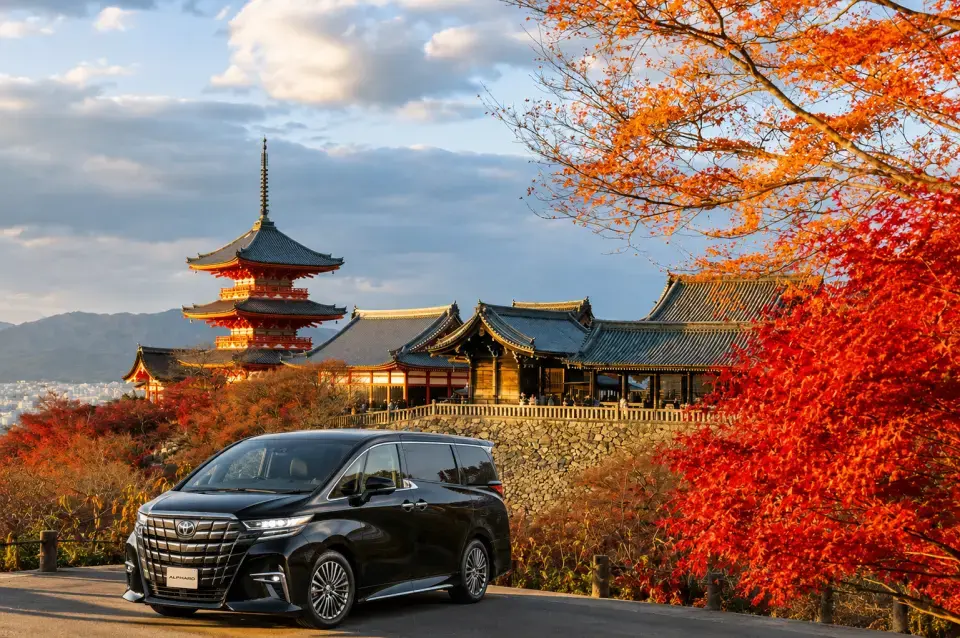
We guide tours all year, through every season and every holiday period. We know how to make the most of a busy day and how to find peace when the crowds arrive.
If you're planning a trip and want to avoid the worst of the domestic travel rush - or if you're visiting during a busy period and want someone who knows how to navigate it - we'd love to help.
See you in the quiet moments.
- The Kawaguchiko Tours Team


Comments